Fall Allergies: Causes, Symptoms and Ragweed Season
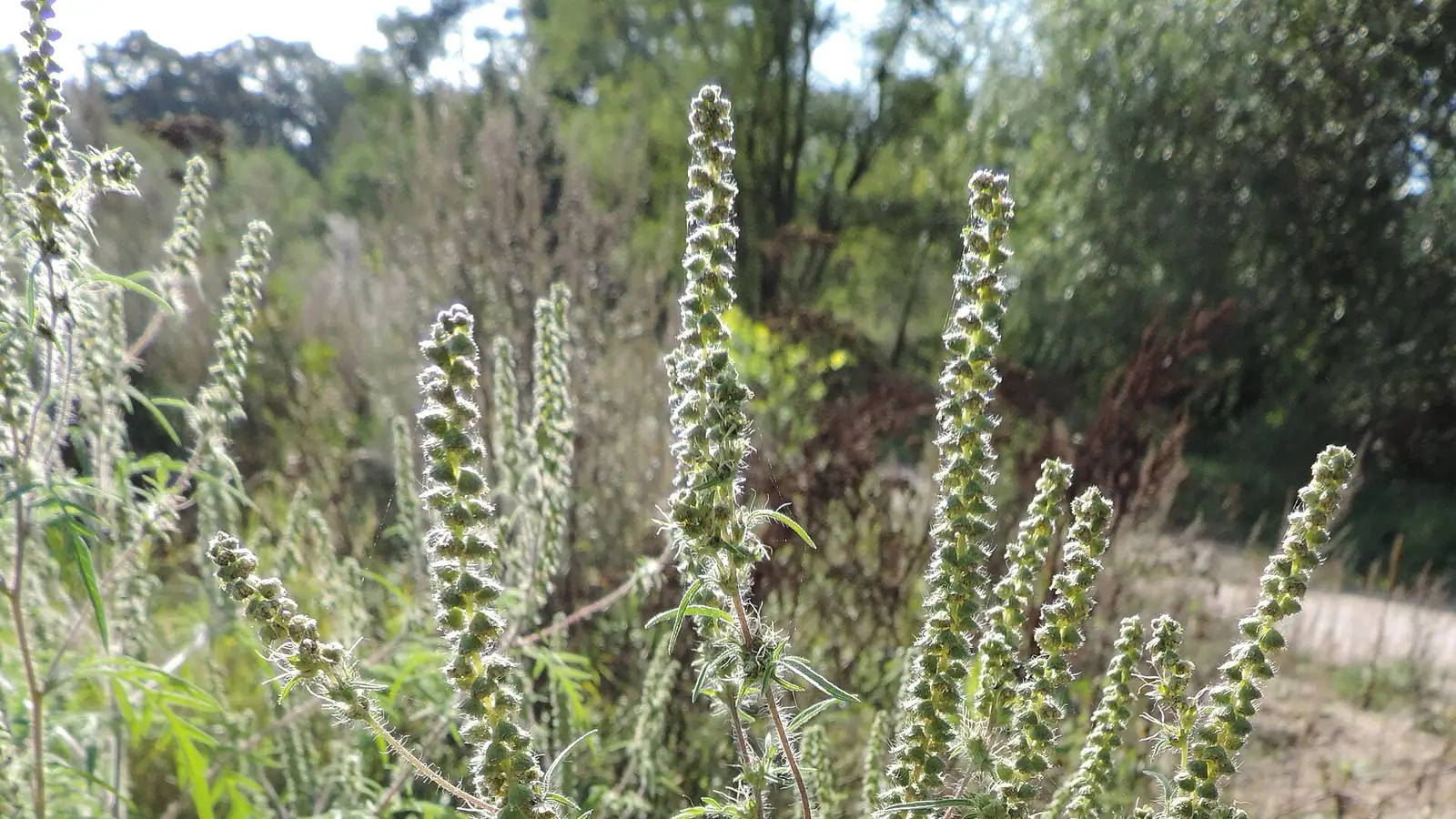

What causes fall allergies? Mostly weed pollen, led by ragweed. The NIEHS explains the U.S. pattern simply: trees release pollen in spring, grasses in summer and weeds in fall. If your nose runs and your eyes itch from late summer until the first frost, weed pollen is the likely cause.
What causes fall allergies, and when they start
Wind-carried pollen is what triggers hay fever; flower pollen carried by insects doesn’t, MedlinePlus notes. In the fall, that means weeds. MedlinePlus adds that hot, dry, windy days carry the most pollen, while rain washes much of it out of the air.
Fall allergies can also come from indoors. In a national survey of 831 homes, Salo and colleagues found more than half had at least six detectable indoor allergens, such as dust mites, pets, cockroaches and mold.
Fall allergy symptoms
MedlinePlus lists the symptoms of allergic rhinitis, or hay fever:
- sneezing and a runny nose;
- itchy nose, mouth, eyes or throat;
- watery eyes;
- later, a stuffy nose, cough, clogged ears, sore throat, dark circles under the eyes, fatigue and headache.
They’re the same in every season, so timing is the clue. Our seasonal allergy symptoms guide explains how to tell allergies from a cold.
Ragweed season is getting longer
Frost is arriving later, and ragweed season is stretching with it. Ziska and colleagues found the ragweed season grew by as much as 13 to 27 days at latitudes above about 44°N in central North America since 1995, linked to a later first frost. Modeling by Zhang and Steiner projects that late-season weeds and grasses will keep shifting later as the climate warms. For ragweed itself, including the foods that can cause mouth itching, see our ragweed allergy guide.
Winter allergies
Symptoms that carry on through winter, when weeds aren’t releasing pollen, point to allergens indoors. MedlinePlus lists dust, animal dander and mold among the triggers of allergic rhinitis, and Salo’s survey found cockroach and mouse allergens in many US homes as well. See dust allergy and cockroach allergy for what to do about them.
Fall allergies treatment
Allergists’ 2020 practice parameter, by Dykewicz and colleagues, names a nasal steroid spray as the preferred single treatment for persistent allergic rhinitis, with an antihistamine nasal spray added if needed. MedlinePlus notes that antihistamines work well for symptoms that come and go, and that a saline nasal rinse can help with mild symptoms.
To treat the allergy itself, ask about immunotherapy. The FDA has approved Ragwitek, a tablet that dissolves under the tongue, for ragweed-induced allergic rhinitis. Allergy shots are the other option. An allergist can confirm which pollen you react to with skin or blood tests.
Our pollen allergy guide covers ways to cut pollen exposure at home, and an air purifier can help in the bedroom.
More in Home
Air Purifier for Allergies: HEPA, CADR and What to Avoid
How to choose an air purifier for allergies to dander, pollen and dust: what true HEPA means, sizing with CADR, avoiding ozone and what it can't do.

Best Vacuum for Allergies: Sealed HEPA Systems Explained
What makes the best vacuum for allergies: sealed HEPA systems, bagged vs bagless for dust mite and pet allergies, and how to vacuum without dust.
How to Reduce Allergens in Home: Free Room-by-Room Guide
How to reduce allergens in home, room by room: the bedroom, dust, dust mites, mold, pets and cleaning products, with a free printable checklist PDF.

Hypoallergenic Cleaning Products: What the Labels Mean
How to choose hypoallergenic cleaning products when fragrance or harsh chemicals bother your skin: EPA Safer Choice, gloves and mixes to avoid.
Sources & further reading
- National Institute of Environmental Health Sciences (NIH) — Pollen: trees release pollen in the spring, grasses in the summer and weeds in the fall; seasonal allergies may affect nearly one in six Americans.
- MedlinePlus (U.S. National Library of Medicine) — Allergic rhinitis: hay fever symptoms include itchy nose, eyes and throat, runny nose, sneezing, watery eyes, congestion, cough and fatigue; hot, dry, windy days carry more pollen; skin testing is the most common allergy test.
- Proceedings of the National Academy of Sciences — Ziska and colleagues, 2011: ragweed pollen season lengthened by as much as 13 to 27 days above about 44°N in central North America since 1995, linked to a later first frost. DOI: 10.1073/pnas.1014107108.
- Nature Communications — Zhang and Steiner, 2022: modeled end-of-century warming shifts spring pollen 10 to 40 days earlier and summer/fall weeds and grasses 5 to 15 days later, lengthening the season and raising total pollen. DOI: 10.1038/s41467-022-28764-0.
- Journal of Allergy and Clinical Immunology — Dykewicz and colleagues, 2020: rhinitis 2020 practice parameter: intranasal corticosteroids remain the preferred monotherapy for persistent allergic rhinitis; combination with intranasal antihistamines adds benefit; recommendations on sublingual tablet immunotherapy. DOI: 10.1016/j.jaci.2020.07.007.
- U.S. Food and Drug Administration — Ragwitek: sublingual short ragweed pollen tablet for ragweed-induced allergic rhinitis.
- Journal of Allergy and Clinical Immunology — Salo and colleagues, 2008: national survey of 831 US homes: 51.5% had at least 6 detectable indoor allergens and 45.8% had at least 3 at increased levels; high allergen burden raised the odds of asthma symptoms in allergic people. DOI: 10.1016/j.jaci.2007.12.1164.