Latex Pillow: Safe With a Latex Allergy? What to Check
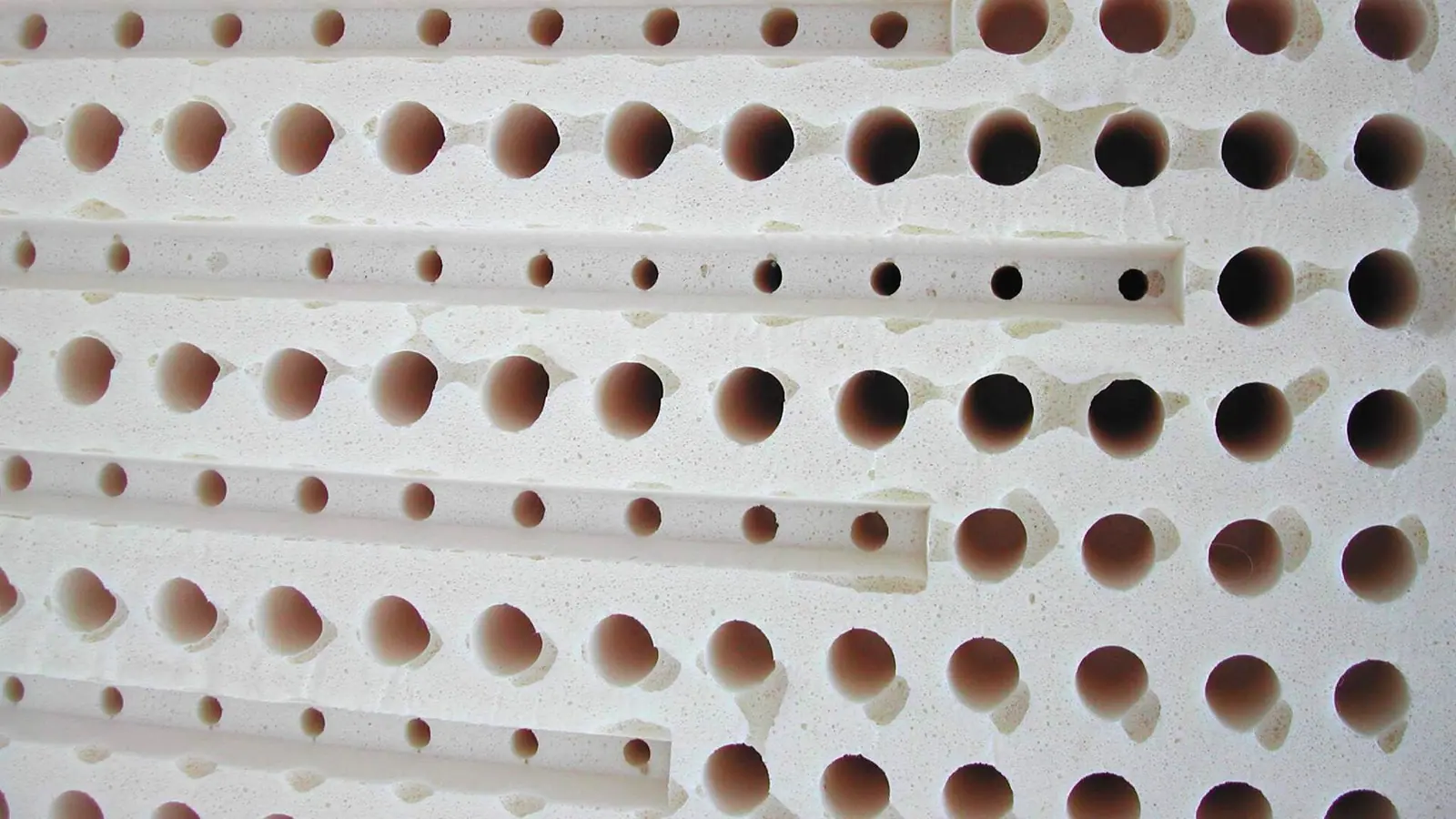

Is a latex pillow safe with a latex allergy? A latex pillow is made of foam from natural rubber latex, synthetic latex, or a blend. Latex allergy comes from proteins in natural rubber, so a pillow made of synthetic latex shouldn’t trigger it. No study has measured allergen in natural latex pillows, so if you have a diagnosed natural rubber latex allergy, the cautious choice is to avoid them or ask your allergist first.
Natural latex vs synthetic latex
MedlinePlus explains that latex allergy develops after repeated exposure to a protein in natural latex from the rubber tree, and reactions range from a rash or asthma within minutes to, rarely, anaphylaxis. MedlinePlus also notes that many household items are made from synthetic latex, which doesn’t cause latex allergy symptoms, but advises double-checking products. Pillow labels say “natural”, “synthetic” or “blended” latex; ask the seller if it isn’t stated.
How common is latex allergy?
A review by Wu and colleagues estimated latex allergy in about 9.7% of healthcare workers and 4.3% of the general population worldwide, and noted that most finished products aren’t labeled as containing latex. A meta-analysis by Bousquet and colleagues put it at 4.32% of healthcare workers versus 1.37% of the general population. Estimates differ, but it isn’t rare.
People with latex allergy often react to certain foods too. Wagner and Breiteneder report that 30% to 50% react to fresh fruits such as avocado, banana, chestnut or kiwi, the latex-fruit syndrome. If those foods give you symptoms, mention latex to your doctor.
Latex pillow allergy: what we know about rubber products
There’s no data on latex pillows themselves, only on other rubber goods:
- Yunginger and colleagues found allergen in medical gloves varied 3,000-fold between manufacturers, and 11 of 24 lots labeled “hypoallergenic” still contained measurable allergen.
- Gathen and colleagues found some everyday natural rubber items held more protein and allergen than examination gloves, while boiling childcare items reduced both.
So processing makes a big difference, and a “hypoallergenic” label on a rubber product isn’t a guarantee. A pillow is also used inside a cover and pillowcase, unlike a glove worn directly on skin, but no one has measured how much that reduces exposure.
Latex pillows and dust mites
Any pillow collects mites over time. Nam and colleagues found new synthetic and buckwheat pillows had no mite allergen but carried measurable amounts after three months. Latex foam often can’t be machine washed, so if you have dust mite allergy, put it in a dust mite pillow cover from day one.
Latex pillow for neck pain
Latex pillows are often chosen for support. One small randomized trial by Fazli and colleagues, in people with neck arthritis also having physiotherapy, found an ergonomic latex pillow improved head posture and neck endurance more than a usual pillow. The authors say more studies are needed.
How to choose a latex pillow
- Diagnosed latex allergy: avoid natural latex or check with your allergist; consider hypoallergenic memory foam pillow or polyester options.
- Ask what the latex is: natural, synthetic or blended, and whether the foam was washed.
- Removable, washable cover, plus a mite-proof encasing if you have mite allergy.
- Compare fills in our hypoallergenic pillows guide; for the whole rubber picture, see rubber and latex.
Sources & further reading
- MedlinePlus (National Library of Medicine) — 2025: latex allergy comes from a protein in natural rubber latex; reactions range from rash or asthma to, rarely, anaphylaxis.
- MedlinePlus (National Library of Medicine) — 2026: synthetic latex does not cause latex allergy symptoms; bananas, avocado and chestnuts are most strongly linked to latex-fruit syndrome.
- Journal of Occupational Health — Wu and colleagues, 2016: estimated latex allergy at 9.7% of healthcare workers and 4.3% of the general population, with most products not labeled as containing latex. DOI: 10.1539/joh.15-0275-ra.
- Journal of Allergy and Clinical Immunology — Bousquet and colleagues, 2006: meta-analysis finding latex allergy in 4.32% of healthcare workers versus 1.37% of the general population. DOI: 10.1016/j.jaci.2006.03.048.
- Journal of Allergy and Clinical Immunology — Yunginger and colleagues, 1994: latex allergen in gloves varied 3,000-fold between makers, and 11 of 24 lots labeled hypoallergenic still contained allergen. DOI: 10.1016/0091-6749(94)90374-3.
- Allergologie select — Gathen and colleagues, 2017: some everyday natural rubber items held more protein and allergen than examination gloves, while boiling childcare items reduced both. DOI: 10.5414/alx01461e.
- Biochemical Society Transactions — Wagner and Breiteneder, 2002: 30% to 50% of people with latex allergy also react to some fresh fruits such as avocado, banana, chestnut and kiwi. DOI: 10.1042/bst0300935.
- Journal of Korean Medical Science — Nam and colleagues, 2004: new pillows had no detectable mite allergen but carried about 1.1 µg/g after 3 months of use. DOI: 10.3346/jkms.2004.19.4.505.
- Journal of Chiropractic Medicine — Fazli and colleagues, 2019: small randomized trial in neck arthritis in which an ergonomic latex pillow plus physiotherapy improved head posture and neck endurance more than a usual pillow. DOI: 10.1016/j.jcm.2019.02.003.
More in Bedding
Waterproof Mattress Protector: Spills, Mites and Plastics
A waterproof mattress protector stops spills and bedwetting from soaking in, but isn't always mite-proof. What studies show on mites, vinyl and phthalates.
Hypoallergenic Pillowcase: Wash Hot, Cover What's Under It
What makes a pillowcase hypoallergenic? Studies show hot weekly washing and a mite-proof cover underneath matter more than the fabric. How to choose one.

Dust Mite Bites: Why Mites Don't Bite and What Does
Dust mite bites aren't real: dust mites don't bite. Learn what causes the itch, how mite allergy shows up on skin, and the bugs that actually bite in bed.
Wool Comforter: Itch, Lanolin and Dust Mites Explained
Is a wool comforter OK for sensitive skin or allergies? What studies show about wool itch, lanolin allergy and eczema, and why washing matters for mites.
Hypoallergenic Blanket: Washable Beats Any Fiber Claim
What makes a blanket hypoallergenic? Blankets hold lots of mite allergen. What studies show on hot washing, dry cleaning, freezing and allergen covers.

Hypoallergenic Sheets: Fabric, Weave and Wash Temperature
Hypoallergenic sheets explained: what the label means, why wash temperature matters more than fabric, and when tight-weave covers help dust mite allergy.