Waterproof Mattress Protector: Spills, Mites and Plastics
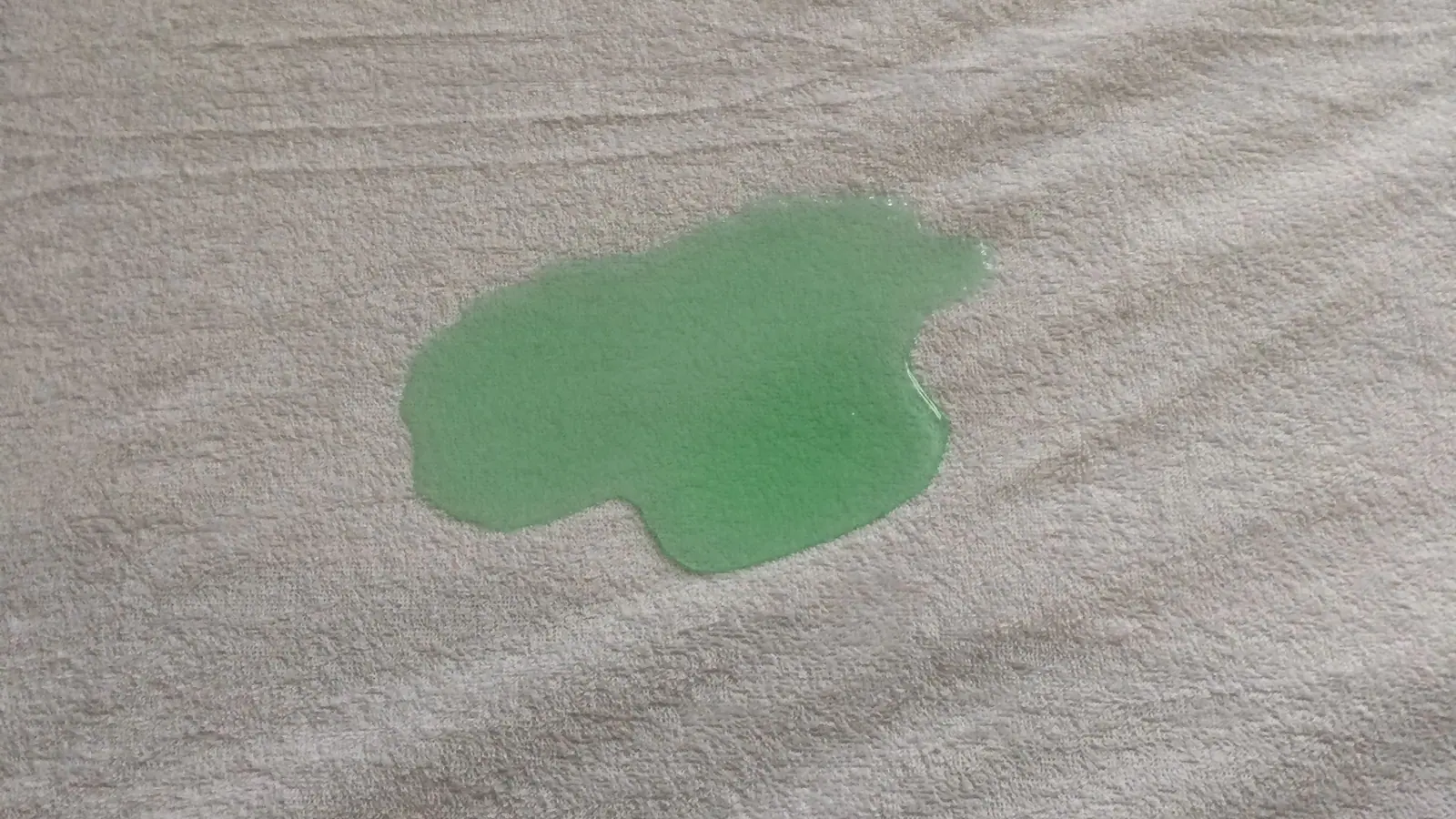
What does a waterproof mattress protector do? A waterproof mattress protector is a fitted cover with a liquid-proof layer that keeps spills, sweat and bedwetting from soaking into the mattress. It’s useful for children, older adults and anyone who eats or drinks in bed. But waterproof doesn’t mean dust mite proof, and some plastic covers release chemicals when warm, so the type of layer matters.
Waterproof mattress protector for bedwetting
Bedwetting is the reason many families buy one. The NIDDK puts it at about 1 in 6 children at age 5, 1 in 10 at age 7 and 1 to 2 in 100 at age 15, and notes it often stops without treatment. In a large UK cohort, Butler and colleagues found 15.5% of children still wet the bed at 7.5, mostly once a week or less. In a US national sample, Shreeram and colleagues found 4.45% of children aged 8 to 11 had wet the bed in the past year, and only 36% had received care for it.
The NHS lists waterproof covers on the mattress and duvet among practical steps for parents. If bedwetting continues or starts again, talk to your child’s doctor.
Hypoallergenic mattress protector: waterproof is not mite-proof
A typical protector is open underneath, like a fitted sheet, so it doesn’t seal the mattress. Even as a fabric, a waterproof film isn’t always a mite barrier. Mahakittikun and colleagues tested 32 covers sold as mite proof: the plastic cover and every tightly woven cover stopped live mites, but mites got through all the film-coated loosely woven and nonwoven samples.
For allergen, pore size is what counts. Vaughan and colleagues found fabrics with pores under 10 µm blocked dust mite allergen, though smaller pores also let less air through. If you have mite allergy, use a zippered dust mite mattress cover (some are waterproof too) and add a waterproof protector on top if you need one. A protector sold as “hypoallergenic” should tell you its weave or pore size.
Vinyl mattress protector, polyurethane and phthalates
The waterproof layer is usually vinyl (PVC) or a thin polyurethane or polyethylene film. Flexible vinyl can contain phthalates, plasticizers that the EPA describes as making plastics flexible and durable.
- Liang and Xu found phthalate emissions from vinyl crib mattress covers rose sharply with temperature, and body heat could raise levels in an infant’s breathing zone.
- Vaezafshar and colleagues tested 16 new children’s mattresses and found 21 plasticizers and related chemicals, but levels didn’t differ consistently between PVC and polypropylene-polyethylene covers.
- US rules (16 CFR 1307) ban products meant to help children 3 and under sleep or feed from containing more than 0.1% of any of eight phthalates.
The EPA’s risk evaluations found unreasonable risks mainly for workers, not for the consumer uses they covered, but products regulated by the CPSC, which includes bedding, were outside those evaluations. Still, for a child’s bed, choosing a phthalate-free cover is a simple precaution. Fabric covers sold as stain resistant or water repellent may also use PFAS finishes; our PFAS guide explains what’s known about them.
How to choose a waterproof mattress protector
- Ask about the layer: vinyl (PVC) or another plastic film, and whether it’s phthalate-free. Since Vaezafshar’s team found plasticizers whatever the cover type, “non-vinyl” alone isn’t a guarantee.
- Mite allergy? Use a zippered encasement underneath, or a waterproof encasement with a stated pore size.
- Washable: check the care label; most can be machine washed, and some tolerate warm drying.
- Fit: deep enough pockets for your mattress and any hypoallergenic mattress topper.
For the mattress itself, see hypoallergenic mattress, and for children, the hypoallergenic crib mattress guide.
Sources & further reading
- National Institute of Diabetes and Digestive and Kidney Diseases (NIH) — 2017: bedwetting affects about 1 in 6 children at age 5, 1 in 10 at age 7 and 1 to 2 in 100 at age 15, and often stops without treatment.
- NHS — practical advice for bedwetting, including waterproof covers on the mattress and duvet.
- BJU International — Butler and colleagues, 2005: 15.5% of 8,151 UK children still wet the bed at age 7.5, most once a week or less. DOI: 10.1111/j.1464-410x.2005.05640.x.
- Journal of the American Academy of Child & Adolescent Psychiatry — Shreeram and colleagues, 2009: 4.45% of US children aged 8 to 11 had wet the bed in the past year, more boys than girls, and only 36% had received care. DOI: 10.1097/chi.0b013e318190045c.
- Journal of Allergy and Clinical Immunology — Mahakittikun and colleagues, 2006: of 32 covers sold as mite proof, plastic and tightly woven covers stopped mites, but film-coated loosely woven and nonwoven ones let them through. DOI: 10.1016/j.jaci.2006.07.025.
- Journal of Allergy and Clinical Immunology — Vaughan and colleagues, 1999: fabrics with average pores under 10 µm blocked mite allergen; smaller pores also restricted airflow. DOI: 10.1016/s0091-6749(99)70495-1.
- Environmental Science & Technology — Liang and Xu, 2014: phthalate emissions from vinyl crib mattress covers rose sharply with temperature, and could be higher in an infant's breathing zone. DOI: 10.1021/es504801x.
- Environmental Science & Technology — Vaezafshar and colleagues, 2025: 16 new children's mattresses held 21 plasticizers and related chemicals; levels did not differ consistently between PVC and polypropylene-polyethylene covers. DOI: 10.1021/acs.est.5c03560.
- U.S. Consumer Product Safety Commission (16 CFR 1307) — 2025: bans child care articles for sleeping or feeding children 3 and under that contain more than 0.1% of any of eight phthalates.
- U.S. Environmental Protection Agency — phthalates make plastics flexible; EPA risk evaluations found unreasonable risks mainly for workers, not consumer uses in scope.
More in Bedding
Hypoallergenic Pillowcase: Wash Hot, Cover What's Under It
What makes a pillowcase hypoallergenic? Studies show hot weekly washing and a mite-proof cover underneath matter more than the fabric. How to choose one.
Dust Mite Bites: Why Mites Don't Bite and What Does
Dust mite bites aren't real: dust mites don't bite. Learn what causes the itch, how mite allergy shows up on skin, and the bugs that actually bite in bed.
Wool Comforter: Itch, Lanolin and Dust Mites Explained
Is a wool comforter OK for sensitive skin or allergies? What studies show about wool itch, lanolin allergy and eczema, and why washing matters for mites.
Hypoallergenic Blanket: Washable Beats Any Fiber Claim
What makes a blanket hypoallergenic? Blankets hold lots of mite allergen. What studies show on hot washing, dry cleaning, freezing and allergen covers.
Hypoallergenic Sheets: Fabric, Weave and Wash Temperature
Hypoallergenic sheets explained: what the label means, why wash temperature matters more than fabric, and when tight-weave covers help dust mite allergy.
How to Wash Pillows to Remove Dust Mites and Allergens
How to wash pillows so dust mites and allergens go: water hot enough to kill mites, detergent, a full dry, and why feather pillows may hold less allergen.