Allergy Season in the U.S.: A Month-by-Month Pollen Guide

Allergy season in the U.S. does not have one nationwide start date. It depends on where you live and which pollen triggers your symptoms. Tree pollen often starts the season, grass pollen becomes more important as the weather warms, and weeds such as ragweed are common late in summer and in fall. In some parts of the country, more than one pollen season overlaps.
The calendar below is a starting point, not a forecast. Local plants, temperatures, rainfall and wind can shift pollen release by weeks from one year to the next.
Allergy season calendar: month-by-month pollen guide
| Time of year | Common pollen triggers | What to expect |
|---|---|---|
| Late winter to spring | Trees such as cedar, elm, maple, oak and birch | Tree pollen may begin in late winter in warmer areas and spread north as temperatures rise. |
| Late spring to early summer | Grasses such as timothy, Bermuda and ryegrass | Grass pollen often becomes more prominent as the season warms. |
| Late summer to fall | Weeds, especially ragweed | Ragweed and other weed pollen can continue until the first hard frost. |
| Winter | Usually indoor allergens rather than outdoor pollen | Dust mites, pets, mold and cockroaches can cause year-round symptoms indoors. |
Allergy season by month: a general U.S. calendar
This month-by-month allergy season calendar shows the broad pattern across much of the country. It is not a local pollen forecast: warm Southern locations can run earlier, colder areas later, and individual trees and grasses release pollen on different schedules.
| Month | Common outdoor allergy triggers |
|---|---|
| January | Outdoor pollen is often lower in colder areas; mountain cedar and some trees can affect parts of the South. Indoor allergens remain year-round. |
| February | Tree pollen may begin in warmer regions, including parts of the South. |
| March | Tree pollen becomes more widespread as spring arrives in many regions. |
| April | Tree pollen is often prominent; oak, birch, maple and other trees may overlap. |
| May | Tree pollen may continue while grass pollen rises, creating overlapping seasons. |
| June | Grass pollen is a common trigger in many regions; local timing varies. |
| July | Grass pollen can continue, while some weeds begin releasing pollen. |
| August | Weed pollen, including ragweed, becomes more important in many areas. |
| September | Ragweed and other weed pollen commonly remain major fall triggers. |
| October | Weed pollen may continue until the first hard frost; mold can also be a problem around damp leaves. |
| November | Outdoor weed pollen usually declines after frost, although warmer areas may have a longer season. |
| December | Outdoor pollen is often lower in colder regions; mountain cedar can affect parts of the South, while indoor allergens persist. |
For the exact timing where you live, use local pollen information and pay attention to the specific plants you react to. The CDC notes that pollen exposure and season timing vary by location.
These are broad patterns, not fixed national dates. The National Institute of Environmental Health Sciences describes the familiar tree-spring, grass-summer and weed-fall pattern. The CDC also notes that pollen timing and duration vary by location and can change as the climate changes.
For a closer look at individual periods, read our guides to spring allergies and fall allergies.
When does allergy season start in each U.S. region?
Allergy season in the Northeast
Tree pollen commonly appears first, followed by grass pollen in late spring and early summer. Ragweed and other weeds can cause symptoms later in the summer and into fall. Coastal conditions, elevation and local vegetation make a difference, so nearby cities may not have identical pollen calendars.
Allergy season in the Midwest
The broad pattern is similar: trees in spring, grasses as the weather warms, and ragweed and other weeds later in the year. In many areas, the first hard frost helps bring the outdoor weed-pollen season to an end.
Allergy season in the South
Some parts of the South can see tree pollen in winter or very early spring. A longer warm season may also extend grass and weed pollen exposure. There is no single start date for the entire region; local climate and plant species matter.
Allergy season in the West
The West has especially varied conditions. Coastal, desert, mountain and inland areas can have very different pollen calendars. Some places experience tree pollen early, while grasses and weeds may dominate at other times. Dry, windy weather can also move pollen over long distances.
Which pollen triggers allergies during allergy season?
Tree pollen season: the first major allergy-season wave
Tree pollen is often the first major outdoor trigger of the year. Oak, birch, cedar, maple and other trees release pollen at different times. The species that matter most depend on local vegetation. See our tree pollen allergy guide.
Grass pollen season: late spring into summer
Grass pollen often becomes more important in late spring and summer. Common grasses include timothy, ryegrass and Bermuda grass. Our grass allergy guide explains the symptoms and exposure patterns.
Ragweed season and other weed pollen
Weed pollen is a common cause of late-summer and fall symptoms. Ragweed is a major example in many parts of the United States. Learn more in our ragweed allergy guide.
Pollen is not the only possible cause of recurring symptoms. If symptoms continue when outdoor pollen is low, indoor triggers such as dust mites, pets or mold may be involved. Our guide to seasonal allergy symptoms explains common symptoms and why timing can offer clues.
Common allergy-causing plants in the United States
These are important examples of wind-pollinated plants associated with seasonal allergies in the U.S., not a nationwide ranking. Local pollen counts and allergy testing can help identify which plants matter most to you.
Common ragweed (Ambrosia artemisiifolia)
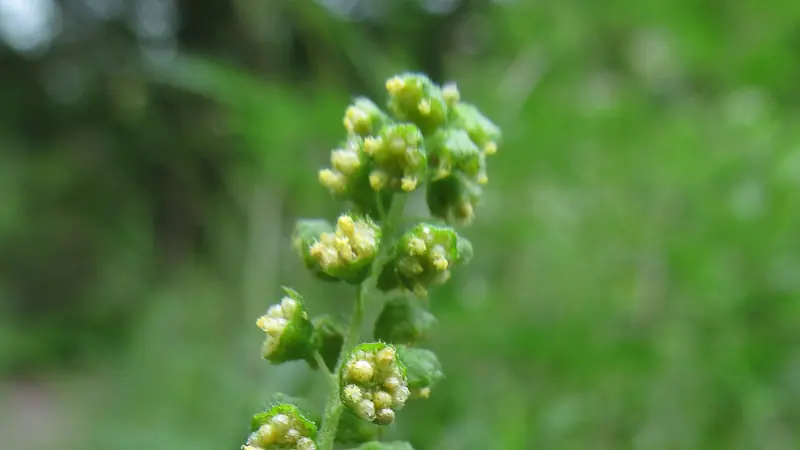
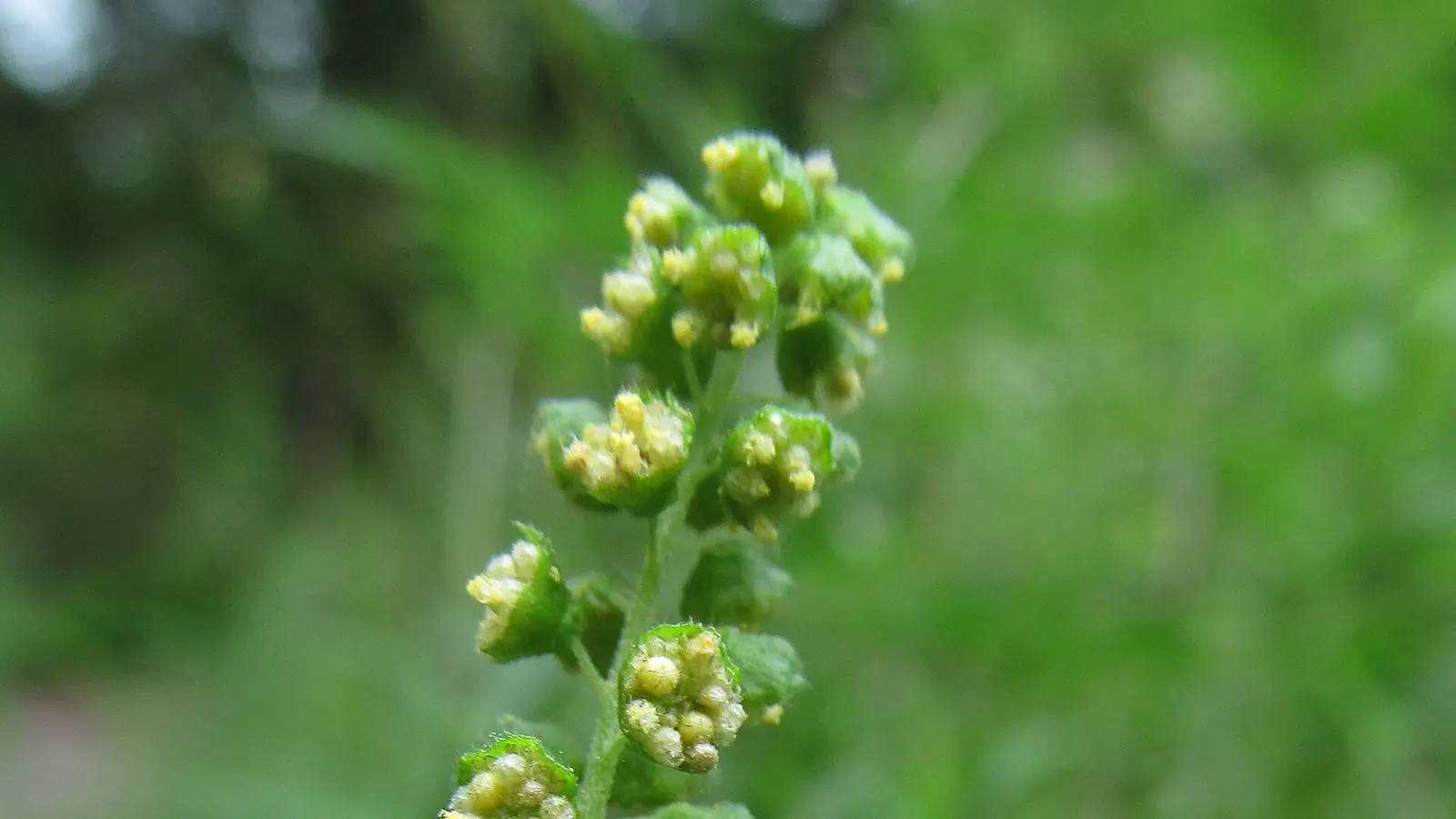
Common ragweed in flower. Photo: Cbaile19, Wikimedia Commons, CC0.
Native to North America, common ragweed grows in disturbed ground, roadsides and fields. Its inconspicuous green flowers release airborne pollen in late summer and fall, particularly across the eastern and central United States.
Oak (Quercus species)
Oaks are widespread across the United States. Their hanging male flower clusters release wind-borne pollen, generally in spring. Different oak species and local climates influence the timing.
Mountain cedar (Juniperus ashei)
Also called Ashe juniper, this evergreen is particularly important in central Texas, where its winter pollen season can cause symptoms commonly called cedar fever.
Birch (Betula species)
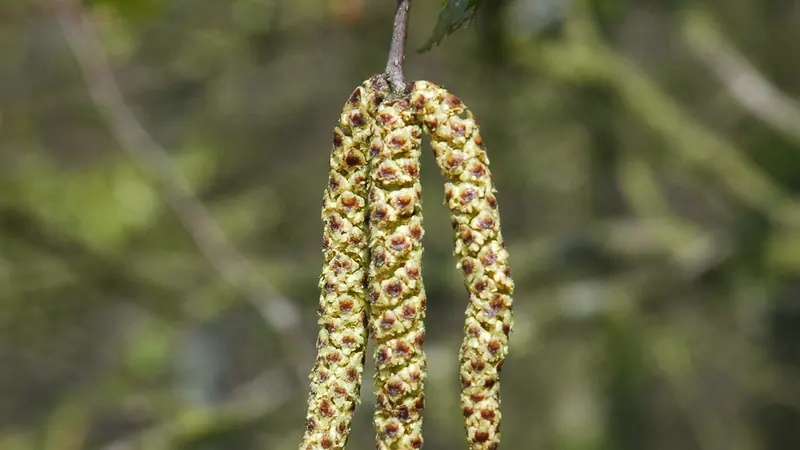
Silver birch (Betula pendula), illustrating birch catkins; this photograph does not depict a native American paper birch. Photo: DimiTalen, CC BY-SA 3.0.

Birch pollen is an important spring trigger, particularly in northern regions. Native American species include paper birch (Betula papyrifera) and river birch (Betula nigra).
Bermuda grass (Cynodon dactylon)
This introduced warm-season grass is widespread in lawns and other open areas in the southern United States. Its pollen can contribute to symptoms during the warmer months.
Timothy grass (Phleum pratense)
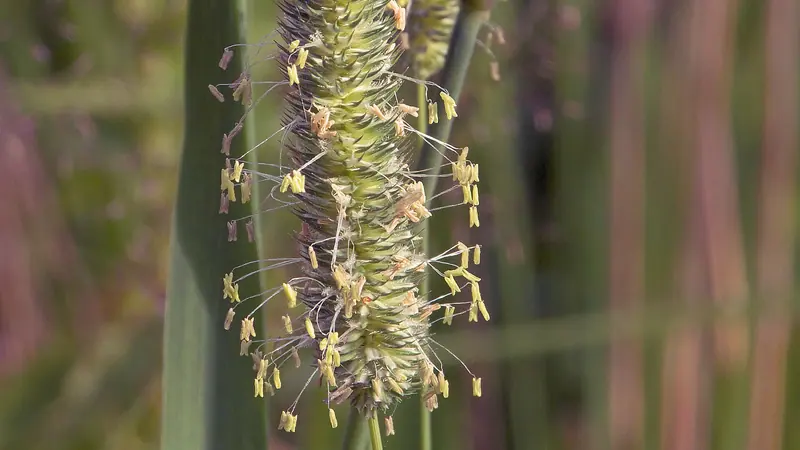
Timothy grass in flower. Photo: Rasbak, CC BY-SA 3.0.

This introduced cool-season grass is common in hayfields and pastures, especially in cooler regions. Its pollen is associated with late-spring and summer allergies.
For more information about common pollen triggers, see the Asthma and Allergy Foundation of America.
How to prepare your home for allergy season
You cannot control the pollen outside, but you can reduce how much enters your living space.
Allergy season forecast: when to check local pollen counts
Local pollen counts can help you plan, but they are not a personal diagnosis. Check which pollen types are being measured and compare the forecast with your own symptom pattern.
- Keep windows and exterior doors closed on high-pollen days. Use air conditioning when practical instead of relying on open windows for cooling.
- Check local pollen information. Counts and forecasts can help you plan outdoor activities, but the pollen type matters too: a high total count does not tell you whether your specific trigger is present.
- Change clothes after spending time outdoors. Leave outdoor shoes near the entrance and avoid sitting on beds or upholstered furniture in clothes worn outside.
- Shower before bed and rinse your hair. This helps remove pollen that collected on your skin and hair during the day.
- Wash bedding regularly. Follow the care labels and avoid drying sheets outdoors during periods when pollen is high.
- Clean with damp cloths and a suitable vacuum. Dry dusting can put settled particles back into the air.
The ACAAI and MedlinePlus provide additional advice on reducing pollen exposure.
Products that may help during allergy season
Products can support an exposure-reduction routine, but no product can make a home completely allergen-free.
HEPA air purifiers for allergy season
A portable air cleaner with a properly sized HEPA filter may reduce airborne particles in the room where it operates. Choose a unit with a clean-air delivery rate appropriate for the room size, and follow the manufacturer’s filter replacement instructions. Keep in mind that an air purifier cannot remove pollen that has settled on surfaces or stop new pollen entering through an open door.
See our guide to air purifiers for allergies.
HVAC filters during allergy season
A compatible HVAC filter can capture some particles as air circulates through the system. Check the system manufacturer’s recommendations before choosing a higher-efficiency filter. A filter that is too restrictive for a particular system can reduce airflow; do not assume that the highest MERV rating is automatically the best choice for every home.
Our air filter for allergies guide explains the options.
Vacuums with sealed filtration for allergy season
A vacuum with a sealed system and effective filtration can help collect dust and particles from floors and rugs. Empty or replace the collection system as directed, and avoid vacuuming in a way that releases dust back into the room.
See our best vacuum for allergies guide for filtration and dust containment considerations.
Bedding and pollen brought indoors
Pollen can settle on bedding after entering through windows or being carried indoors on clothing and hair. Wash sheets according to their care labels, shower before bed, and avoid drying bedding outdoors on high-pollen days. Hypoallergenic labeling alone does not establish that a fabric blocks pollen.
Explore our guides to hypoallergenic sheets, hypoallergenic pillows and hypoallergenic comforters.
Pollen masks for outdoor activities
A well-fitting particulate respirator, such as a NIOSH-approved N95, can reduce inhalation of airborne particles during activities such as mowing. It does not protect the eyes or eliminate exposure. Fit and consistent use matter.
Air conditioner filters and pollen
Keeping windows closed and using air conditioning can reduce outdoor pollen entry. Central HVAC systems and room air conditioners use different filters; check the equipment manual before replacing or upgrading a filter. A washable mesh screen is not equivalent to a HEPA filter. See our air filter guide.
Does rain help during allergy season?
Rain can temporarily reduce airborne pollen by washing some of it out of the air. The effect is not permanent: pollen levels can rise again as surfaces dry and plants continue releasing pollen. Weather patterns also differ, and thunderstorms can sometimes make respiratory symptoms worse for people with asthma. Do not treat a rainy day as a guarantee of low exposure.
Can you have allergies during winter?
Yes. Winter symptoms may come from indoor allergens rather than outdoor pollen. Dust mites, pet dander, mold and cockroach allergens can remain in homes throughout the year. Heating systems may also circulate particles that have collected indoors.
If symptoms persist through winter, consider whether the trigger is indoors and discuss appropriate allergy testing with a healthcare professional. See our guides to dust allergy, mold allergy and pet allergies.
When should you talk to a healthcare professional about allergy season symptoms?
A clinician or allergist can help identify which pollen or indoor allergen is triggering symptoms and discuss treatment options. This matters when symptoms are persistent, disrupt sleep, interfere with daily activities or are not improving with your current plan.
People with asthma should follow their prescribed asthma action plan. Severe breathing difficulty or signs of a serious allergic reaction require urgent medical attention.
Allergy season FAQs: common questions about pollen
What are the worst months for allergy season symptoms?
There is no single worst month across the United States. Tree pollen often peaks in spring, grass pollen in late spring or summer, and ragweed and other weed pollen in late summer and fall. Your location and specific sensitivities determine which period is hardest.
When does allergy season end in the U.S.?
For outdoor pollen, the first hard frost often reduces weed pollen in many regions, but the timing varies. Indoor allergens such as dust mites, pets and mold can cause symptoms all year.
Can allergy season last all year?
You can experience allergy symptoms throughout the year if you react to different pollens across overlapping seasons or to indoor allergens as well. An allergist can help distinguish the triggers.
Is allergy season getting longer?
Research has found that pollen seasons have shifted and lengthened in parts of North America, but the size and timing of the change vary by region and plant. The CDC explains that climate change can affect pollen season timing, duration and exposure.
Should I keep my windows closed during allergy season?
Keeping windows closed on high-pollen days can reduce the amount of outdoor pollen entering your home. Air conditioning can help maintain indoor comfort without opening windows; keep equipment maintained and filters compatible with your system.
This guide is for general education, not a diagnosis or an individualized treatment plan. If you have persistent symptoms, asthma or concerns about medication, speak with a qualified healthcare professional.
For outdoor chores, see our pollen mask guide. For cooling equipment, see our air conditioner filter for allergies guide.
More in Home
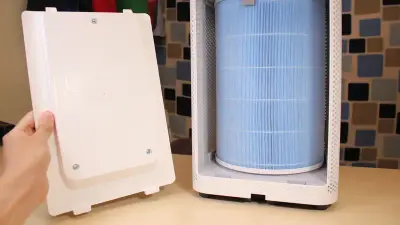
Air Purifier for Allergies: HEPA, CADR and What to Avoid
How to choose an air purifier for allergies to dander, pollen and dust: what true HEPA means, sizing with CADR, avoiding ozone and what it can't do.

Best Vacuum for Allergies: Sealed HEPA Systems Explained
What makes the best vacuum for allergies: sealed HEPA systems, bagged vs bagless for dust mite and pet allergies, and how to vacuum without dust.
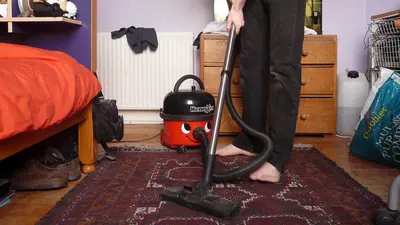
How to Reduce Allergens in Home: Free Room-by-Room Guide
How to reduce allergens in home, room by room: the bedroom, dust, dust mites, mold, pets and cleaning products, with a free printable checklist PDF.
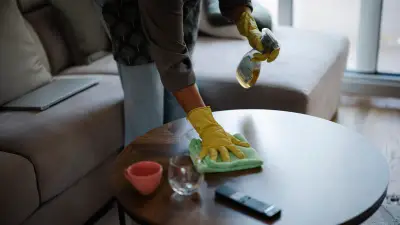
Hypoallergenic Cleaning Products: What the Labels Mean
How to choose hypoallergenic cleaning products when fragrance or harsh chemicals bother your skin: EPA Safer Choice, gloves and mixes to avoid.
Sources & further reading
- Centers for Disease Control and Prevention (CDC) — Pollen exposure varies by location and season; climate change can affect the timing and duration of pollen seasons and pollen-related health effects.
- American College of Allergy, Asthma & Immunology (ACAAI) — Seasonal allergies may begin in late winter or early spring in some regions; tree, grass and weed pollen have different seasonal patterns.
- National Institute of Environmental Health Sciences (NIH) — General U.S. pollen pattern: trees in spring, grasses in summer and weeds in fall; ragweed commonly pollinates from August through November.
- Asthma and Allergy Foundation of America (AAFA) — Typical U.S. pollen calendar: tree pollen in late winter and spring, grass pollen in spring and early summer, and weed pollen from late summer until the first hard frost; timing varies by region.
- MedlinePlus (U.S. National Library of Medicine) — Allergic rhinitis symptoms, pollen exposure patterns, allergy testing and practical ways to reduce exposure.